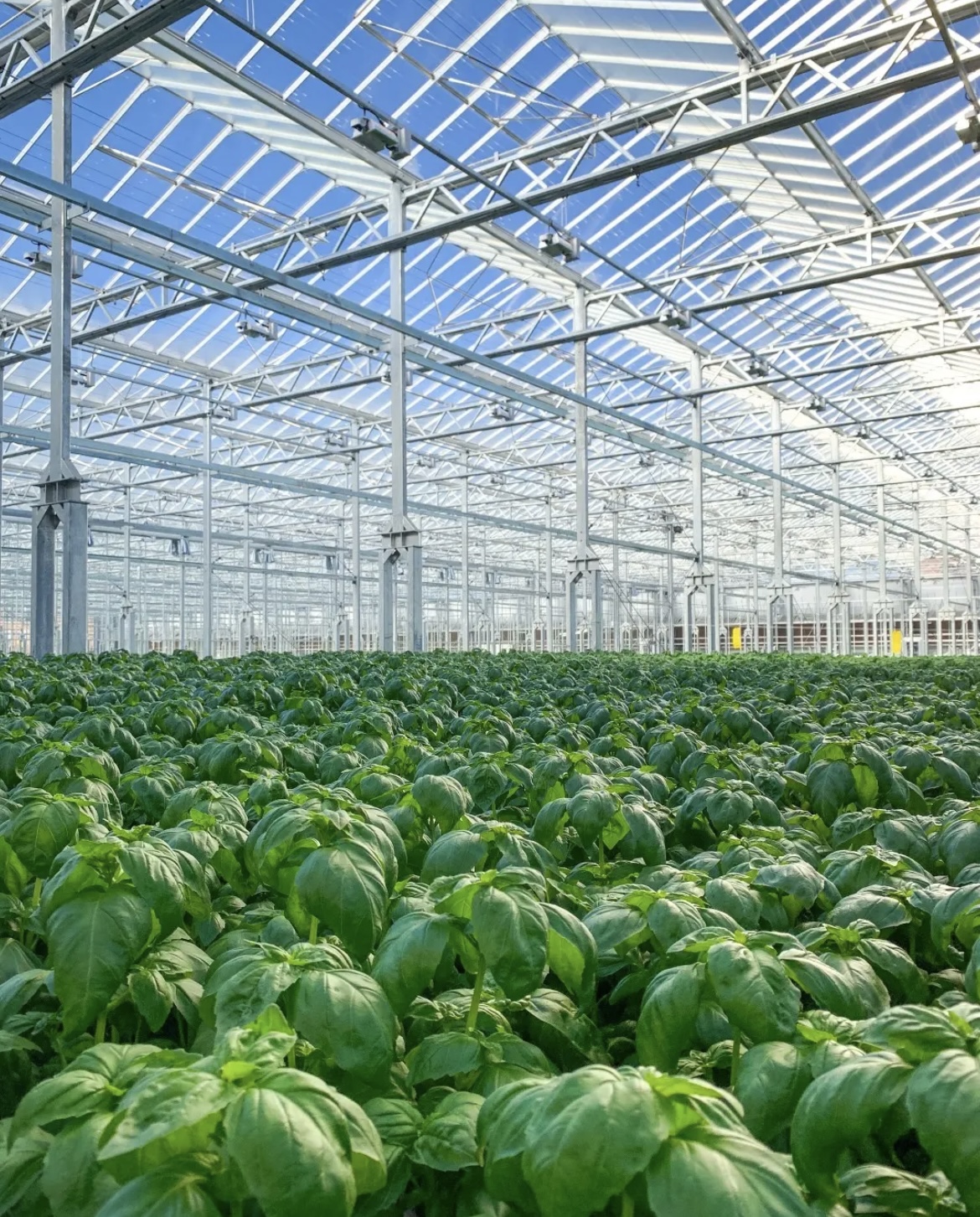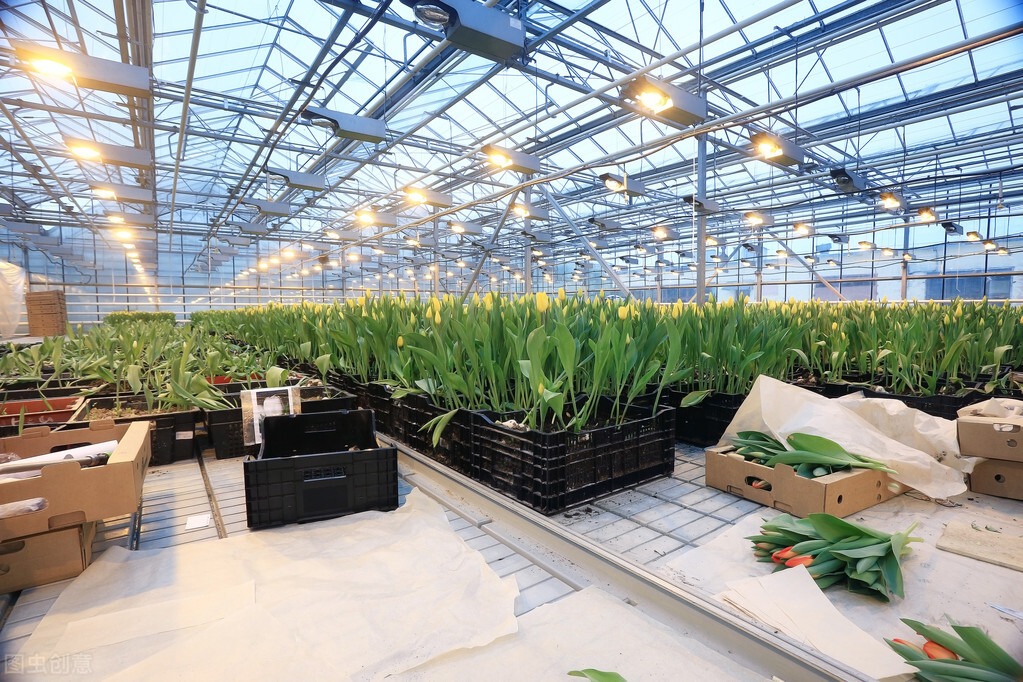
In recent years, greenhouse technology has emerged as a game-changer in the agricultural sector, offering sustainable solutions to meet the growing demand for food worldwide. These controlled environments allow farmers to grow crops year-round, regardless of external weather conditions, ensuring a steady supply of fresh produce.
What is a Greenhouse?
A greenhouse is a structure with walls and a roof made primarily of transparent materials, such as glass or plastic. It creates a microclimate that can be carefully regulated to optimize plant growth. By controlling factors like temperature, humidity, light, and irrigation, greenhouses enable the cultivation of a wide variety of crops, from vegetables and fruits to flowers and herbs.
Advantages of Greenhouse Farming:
-
Year-Round Production: Unlike traditional farming, greenhouses allow for continuous crop production, even in harsh climates or during off-seasons. This ensures a consistent supply of fresh produce to markets.
-
Resource Efficiency: Greenhouses use water and fertilizers more efficiently than open-field farming. Advanced irrigation systems, such as drip irrigation, minimize water waste, while controlled environments reduce the need for pesticides.
-
Higher Yields: By optimizing growing conditions, greenhouses can produce significantly higher yields compared to conventional farming methods. This is particularly important as the global population continues to rise.
-
Climate Resilience: With climate change posing a threat to traditional agriculture, greenhouses offer a way to mitigate risks associated with unpredictable weather patterns, such as droughts, floods, and extreme temperatures.
Innovations in Greenhouse Technology
Modern greenhouses are equipped with cutting-edge technologies that further enhance their efficiency and productivity. Some of the latest innovations include:
-
Automated Climate Control Systems: These systems use sensors and AI to monitor and adjust temperature, humidity, and light levels in real-time, ensuring optimal growing conditions.
-
Vertical Farming: By stacking crops vertically, greenhouses can maximize space and increase production capacity, making them ideal for urban areas with limited land.
-
Renewable Energy Integration: Many greenhouses are now powered by solar panels or other renewable energy sources, reducing their carbon footprint and operating costs.
-
Hydroponics and Aquaponics: These soil-less farming techniques allow plants to grow in nutrient-rich water, further conserving resources and increasing yields.
Challenges and Future Outlook
Despite their many benefits, greenhouses face challenges such as high initial costs and the need for skilled labor to manage advanced systems. However, as technology continues to evolve, these barriers are expected to decrease, making greenhouses more accessible to farmers worldwide.
The future of agriculture lies in sustainable and efficient practices, and greenhouses are at the forefront of this transformation. By embracing this technology, farmers can not only increase their productivity but also contribute to a more food-secure and environmentally friendly world.
As the demand for fresh, locally grown produce continues to rise, greenhouses are poised to play a pivotal role in shaping the future of farming.